

Building a Sales Department
3x sales growth in 4 months with no extra marketing spend
About the project
3x sales growth in 4 months with no extra marketing spend. We increased average order value and conversion rates, and shortened the deal cycle.
At the start of the project the company had an automated sales funnel, but it couldn't sell tickets above $92. There was a sales department, but its efficiency was extremely low. There was no planned sales management: no analytics, no client database.
Case overview: automating Lab8's sales department
How we achieved this
We introduced a control and feedback system for the sales department: telephony, call recordings, quality control.
We processed the analytics from the first stage. We developed a sales script. We ran testing and improvement in several rounds.
We created a system for hiring and training managers. We introduced work quotas. We introduced a sales plan. We developed a motivation and KPI system.
We automated all of it and introduced a management system.
1. Control and analytics system
What we decided to do: track and analyze calls, identify the calls that sold, and use them as the basis for a sales script. To do this, at the very first stage we introduced two systems.
CRM — a system for maintaining the client database. We connected all incoming and outgoing communications to it.
VoIP — IP telephony: every manager call was recorded, reviewed and analyzed.
What we found
The main finding: the sales department was working extremely inefficiently.
- Too few calls. Managers were reluctant to make calls. Leads were lost and went cold.
- Hard-sell tactics didn't work for this segment. Managers often didn't know how to sell.
- No history of work with the client was kept — as a result, a lot of effort was wasted.
- Low manager qualification, no understanding of how the product solves the client's problem.
Results of this stage
We worked out a set of measures to improve the department's efficiency:
- Introduce call work quotas. A manager must complete a set number of tasks and calls per day.
- Create an effective sales script. A complex product doesn't sell in just a couple of touches.
- Introduce rules for working with the CRM system. The system should help the work, not slow it down.
- Create a training system for managers to work with the script. Introduce call quality control.
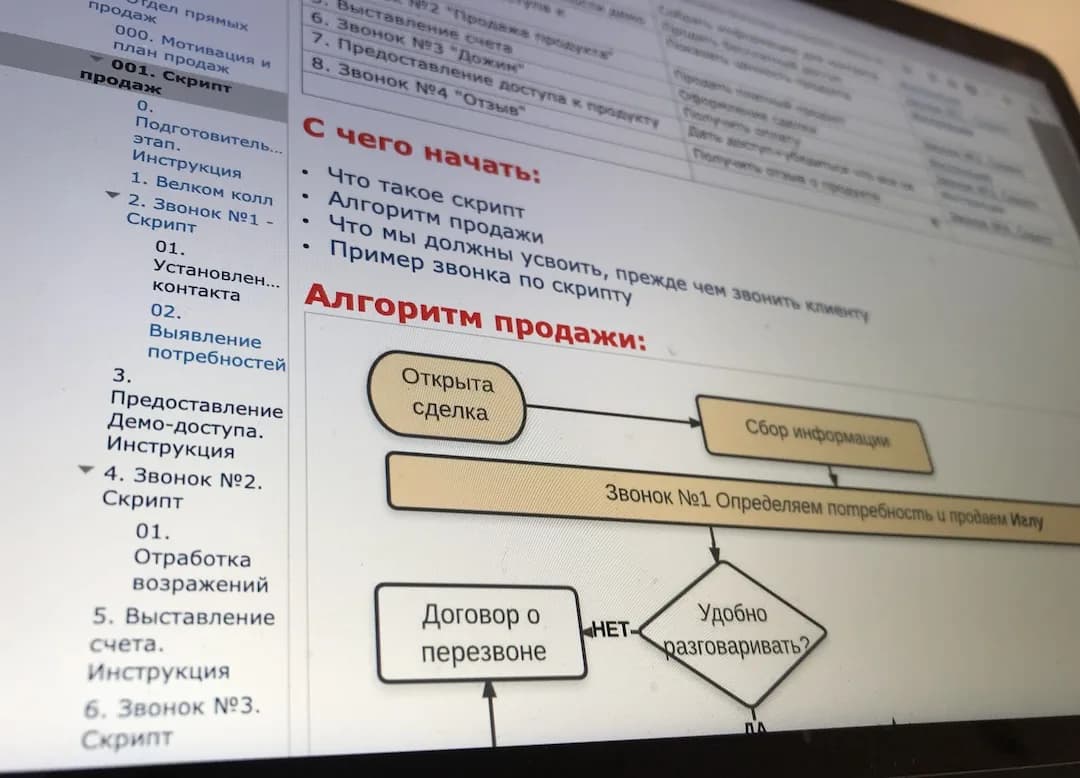
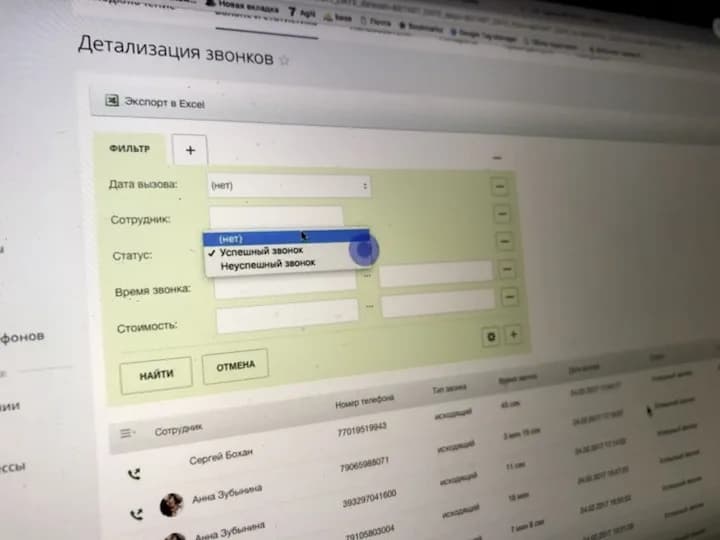
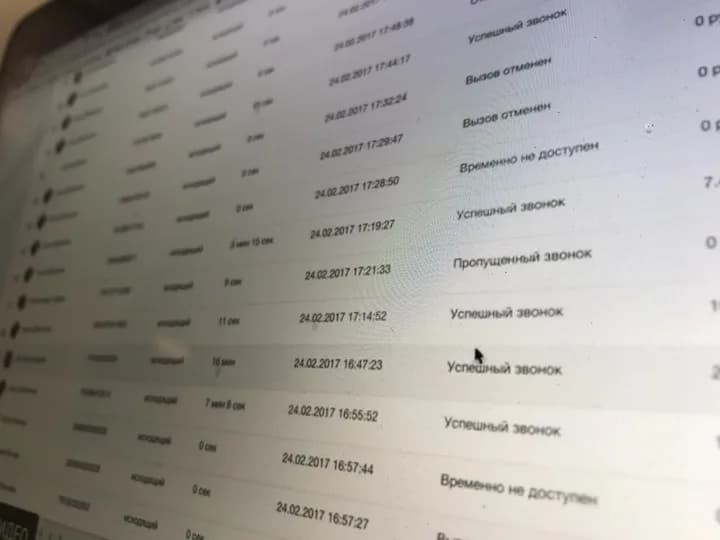
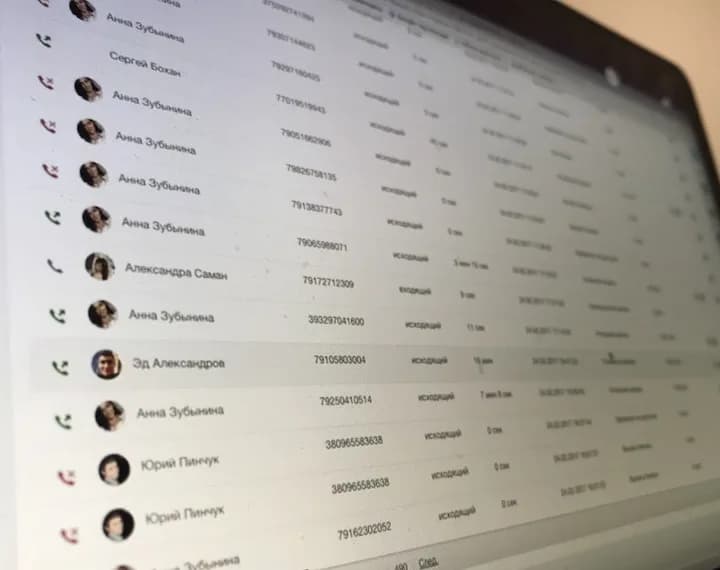
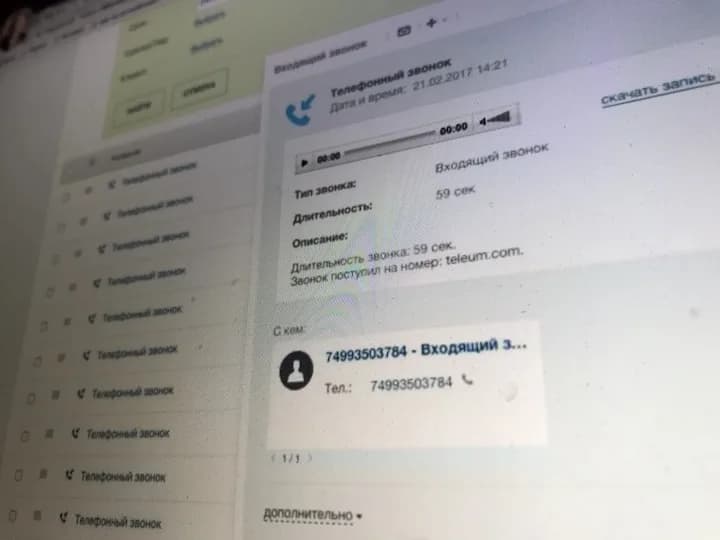
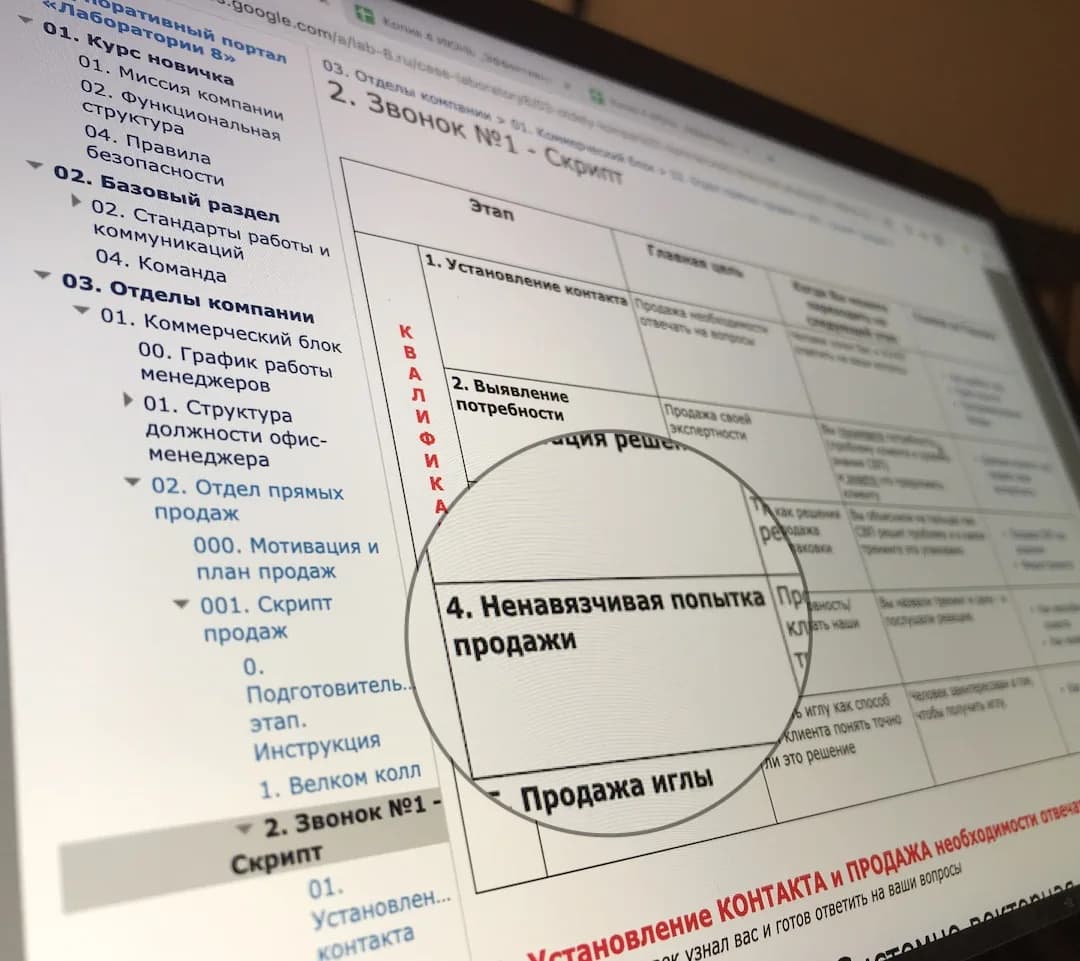
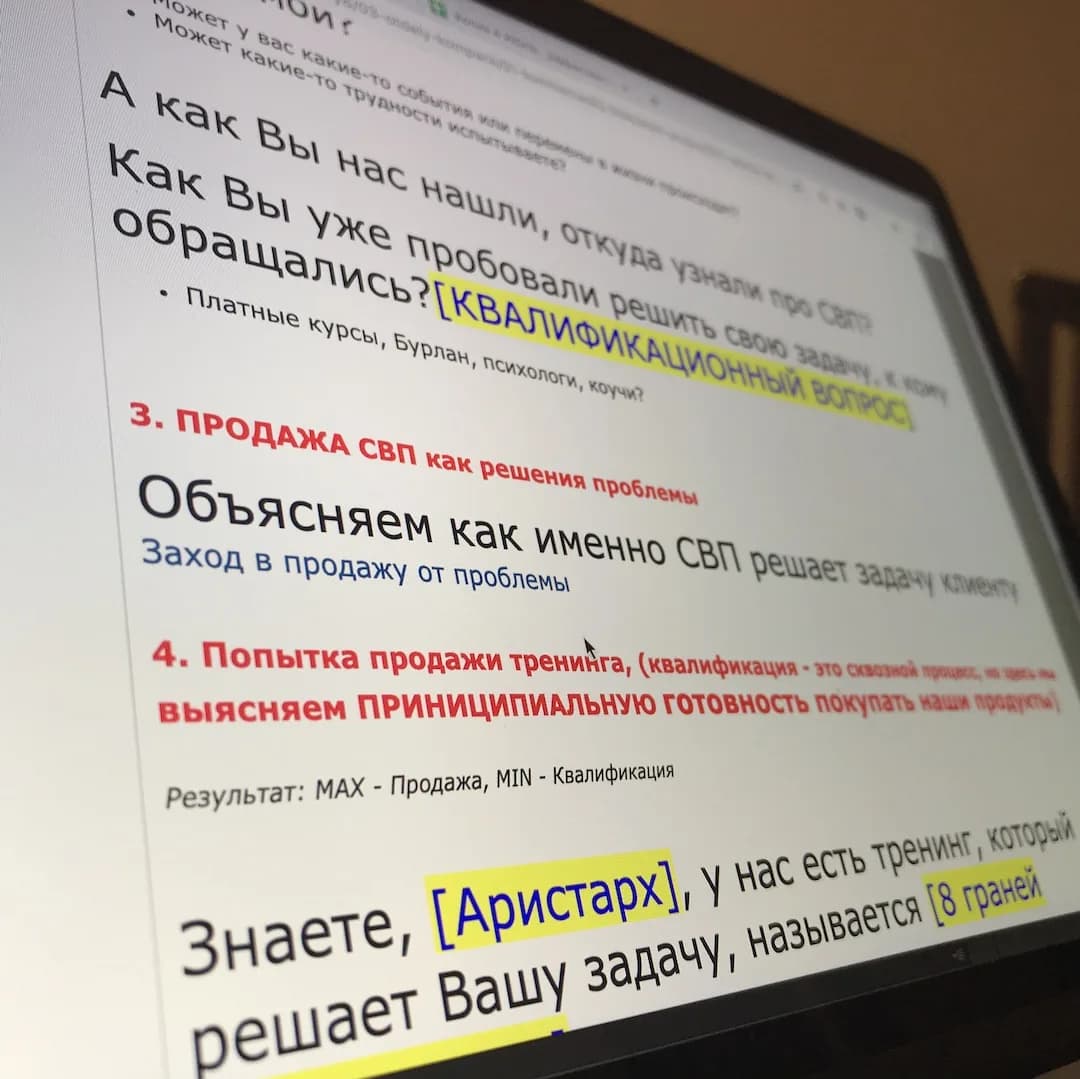
Sales department portal: sales algorithm and call scripts #1–4
2. Developing the sales script
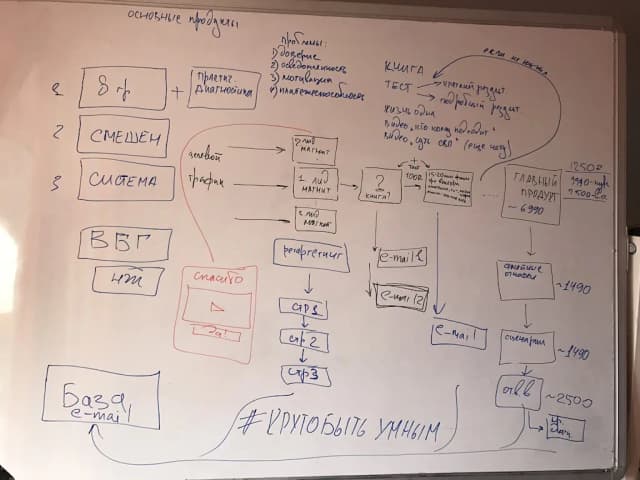
Develop a multi-step, problem-first sales algorithm that lets the client come to the purchase decision on their own. The sale consists of a series of calls, messenger messages and free materials, customized to the client's problem.
Solutions and tools
Sales algorithm. We identified the sequence of decisions that lead to the purchase of each training. We identified a multi-touch sales algorithm.
Communication scripts. A successful communication (one that reaches its goal) consists of several blocks. That is the call script. We scripted every communication in the sales algorithm.
Communication goals. The sales algorithm consists of several communications. We set a measurable goal for each communication.
Quotas. For the plan to be fulfilled by the end of the month, each manager must make a set number of calls and complete a set number of tasks every day. We developed and introduced daily quotas.
Quality control. For the sales script to be followed, there must be a control system. We built checklists for verifying script compliance and introduced a system for reviewing and scoring every call.
Formalized processes. We documented and formalized every process. We set up a corporate portal, and every employee has their own access.
Every idea and solution was tested under real conditions. Every member of the working group didn't just listen to managers' calls — they made calls themselves.
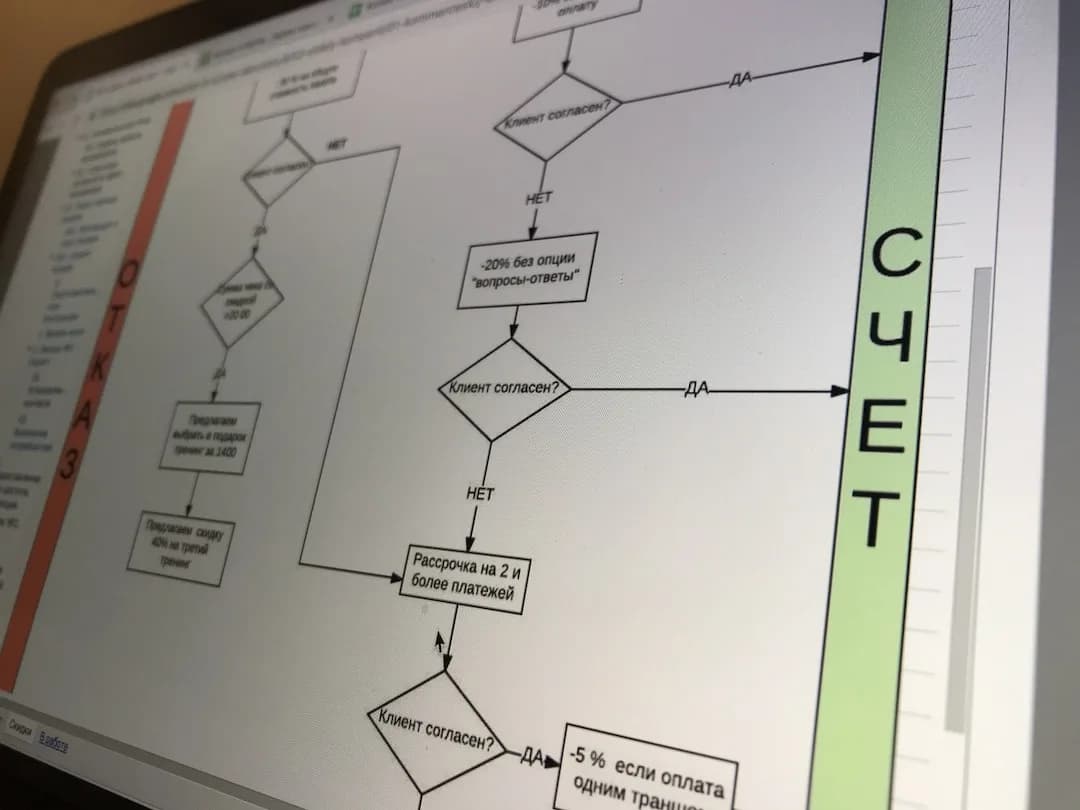
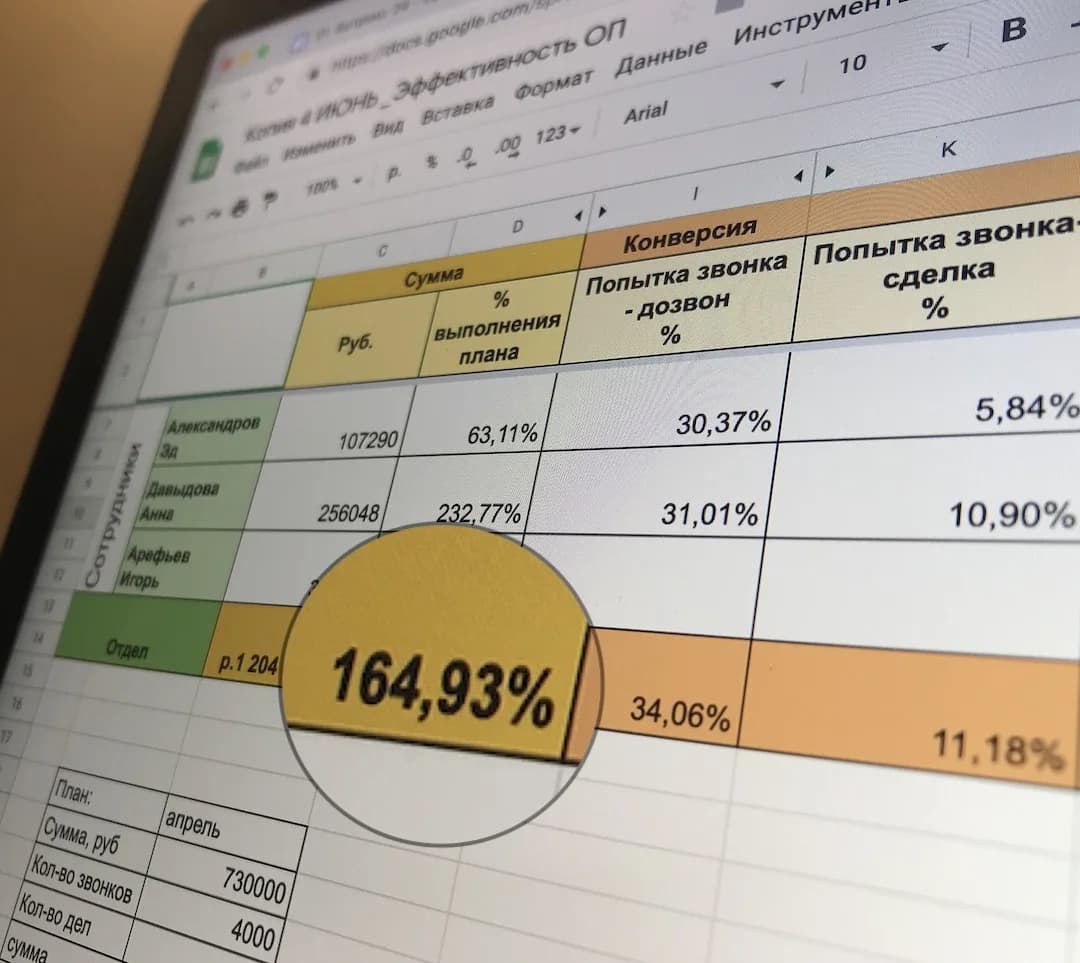
In 3 months, department efficiency grew 4x
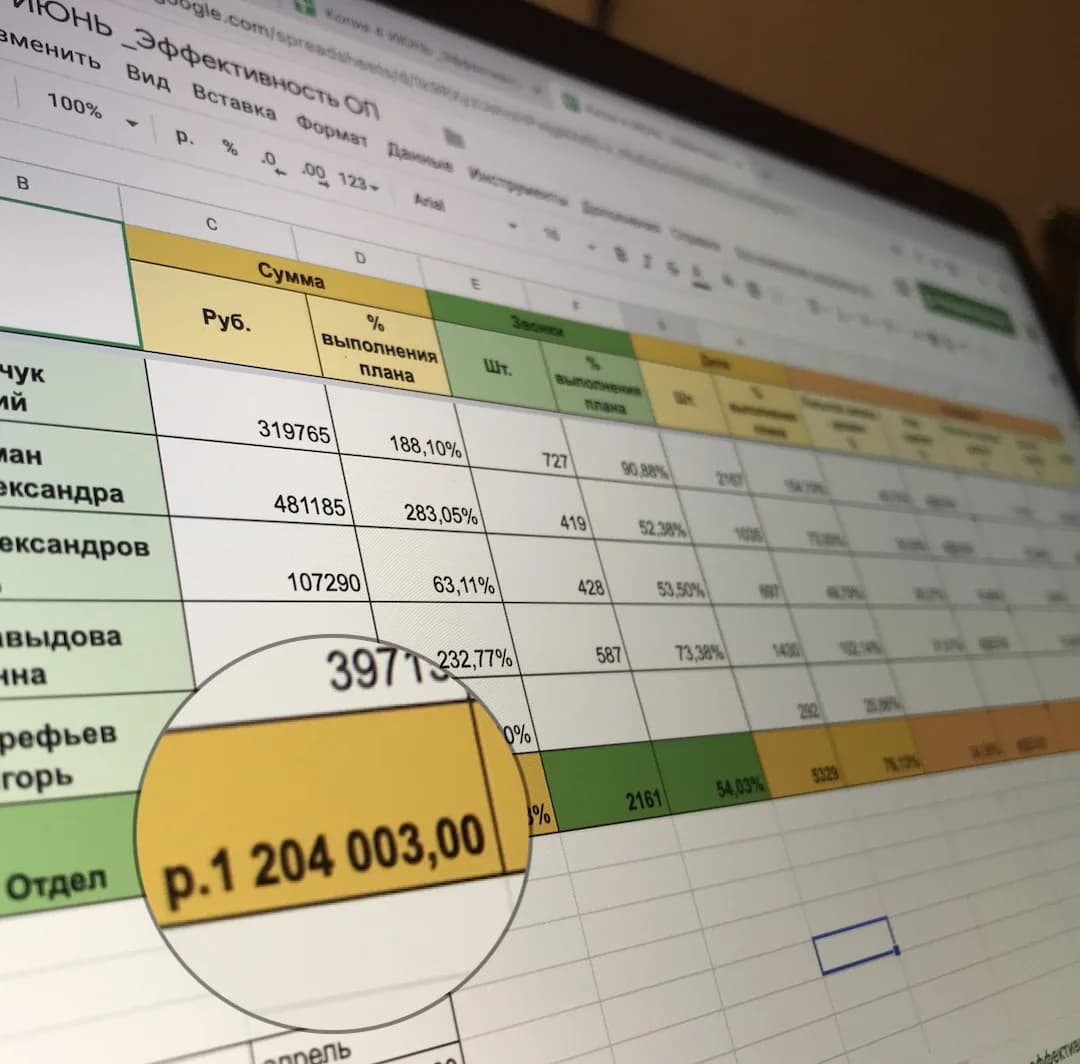
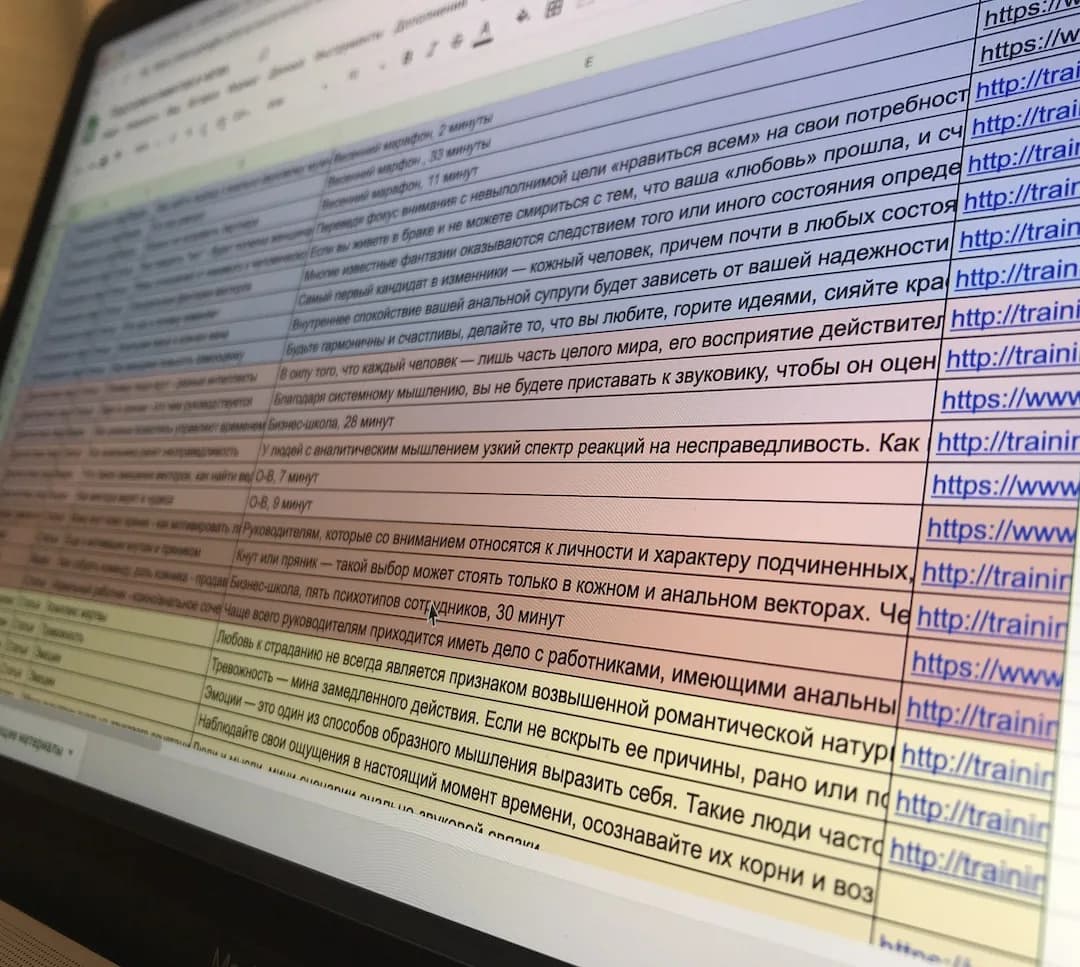
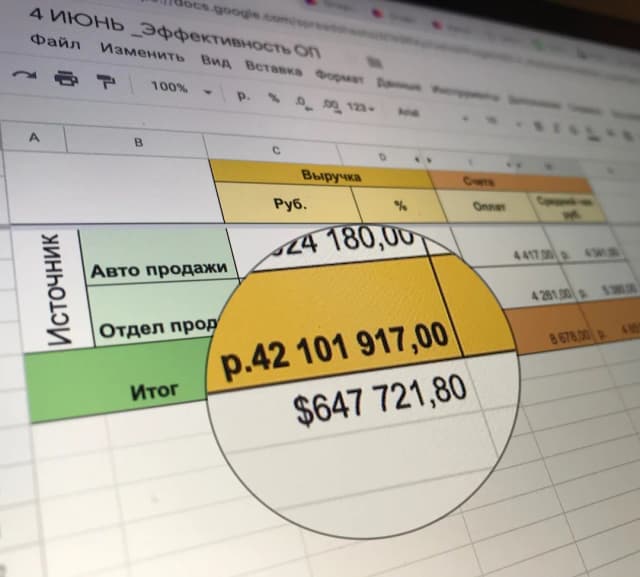
Sales department efficiency table: June department revenue — ~$18,500
3. Hiring and training the sales department
Build an HR function that hires, trains and onboards sales department staff on an ongoing basis. Strengthen the sales department: hire new managers, train managers to work with the script, improve their product knowledge, expand the sales department, introduce a mentorship system within the department, tie staff motivation to quota fulfillment and call quality, and develop a "newcomer kit" of materials for new hires.
We approached hiring the same way we approached sales. Hiring an employee is essentially the same kind of sale — only the company is selling the candidate the opportunity to work for it. Lead generation (collecting and filtering résumés), lead conversion (the interview system), and the product (training and onboarding).
Tools and solutions
Manager training. We developed a training program with hands-on practice on real cases.
Exam. We developed a manager certification system.
KPI system. We developed KPIs and personal scorecards for managers to evaluate results.
Motivation. We developed a manager motivation system tied to KPIs.
The sales department grew 8x. Every employee sells effectively.
We built a continuous hiring and training system that lets the project scale.
Training system conversion — 43%: fewer than half pass the exam and start selling effectively.
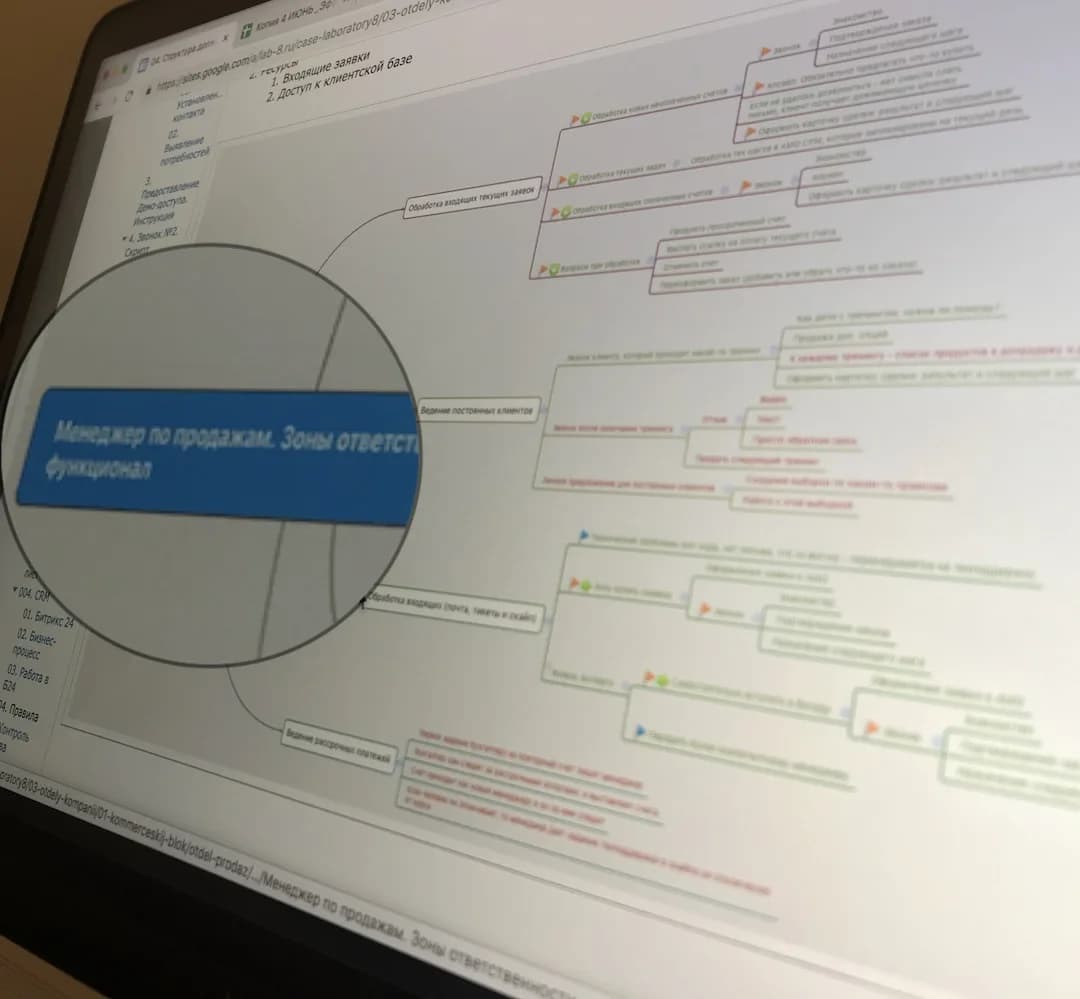
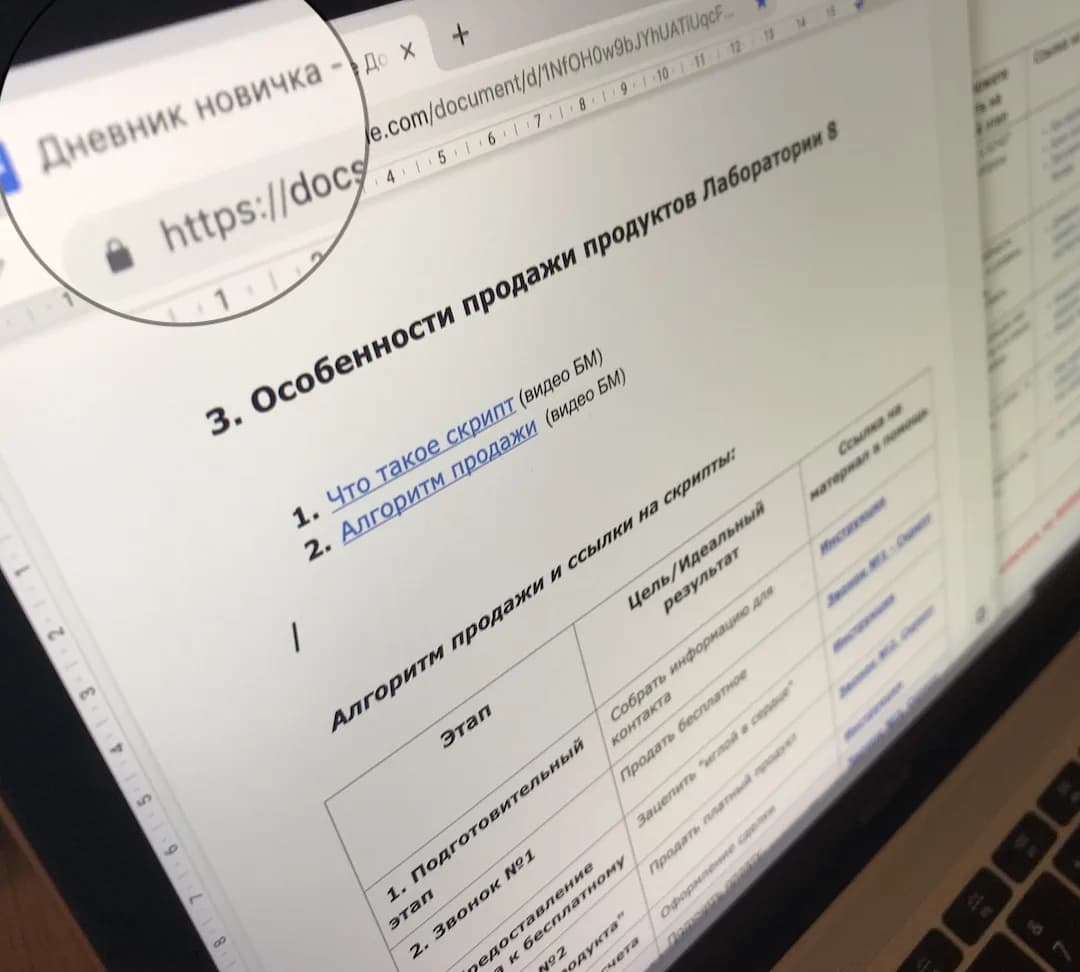
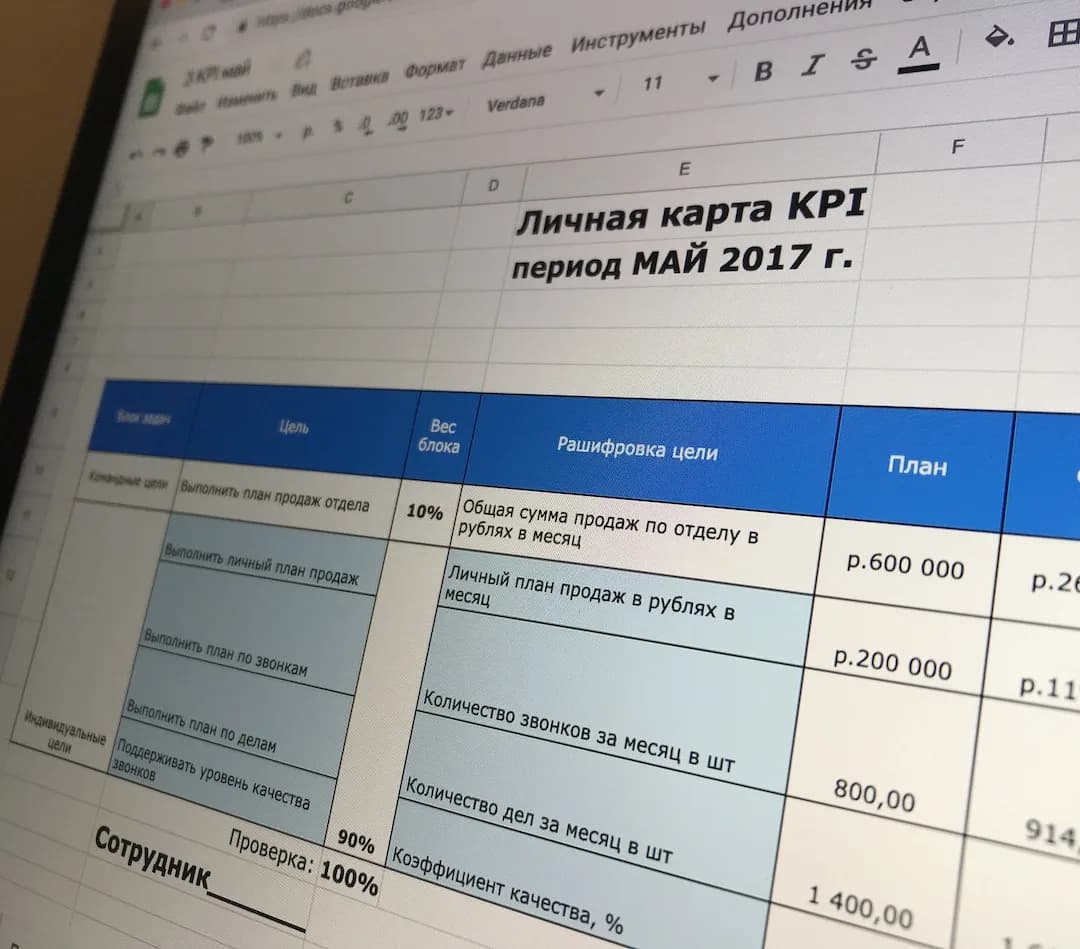
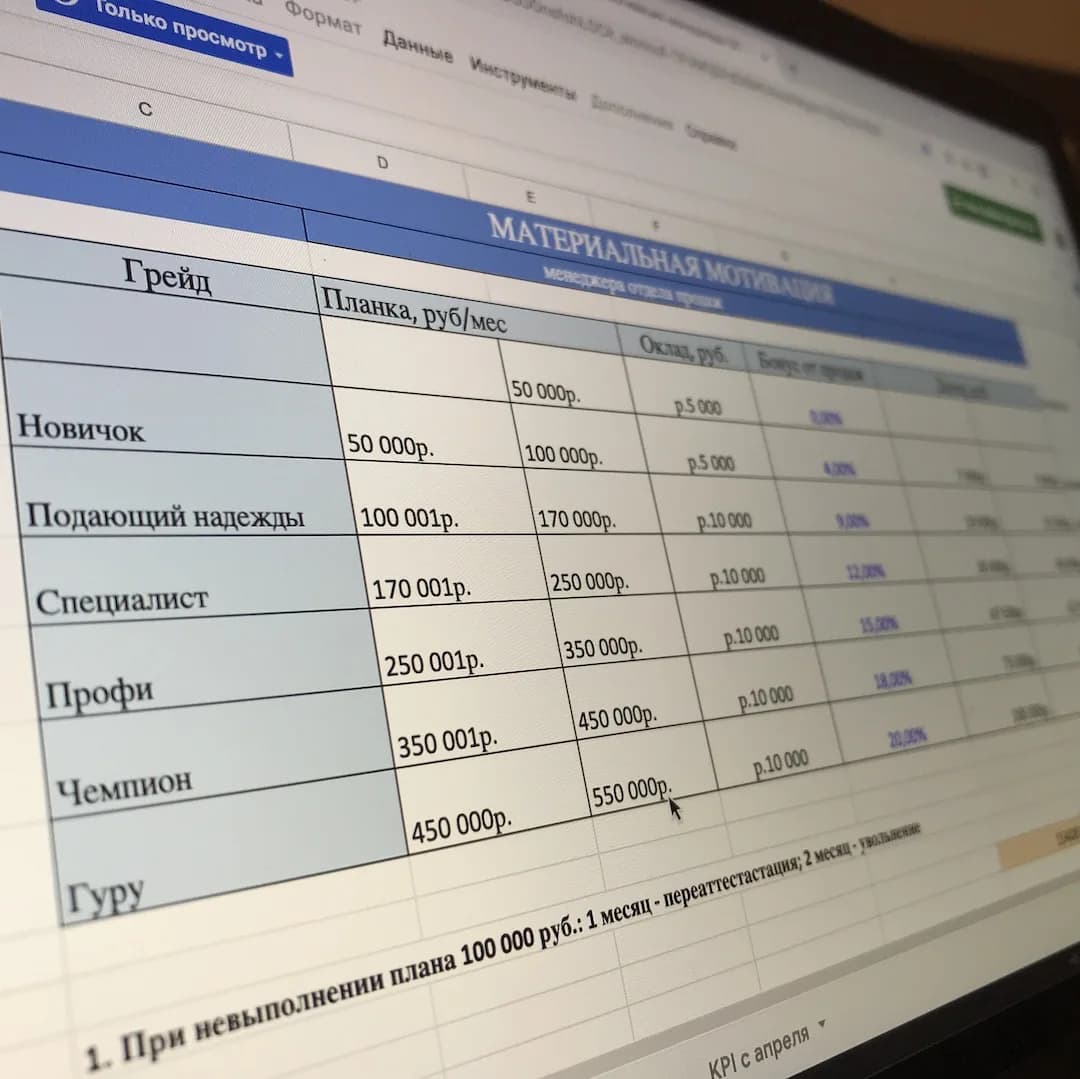
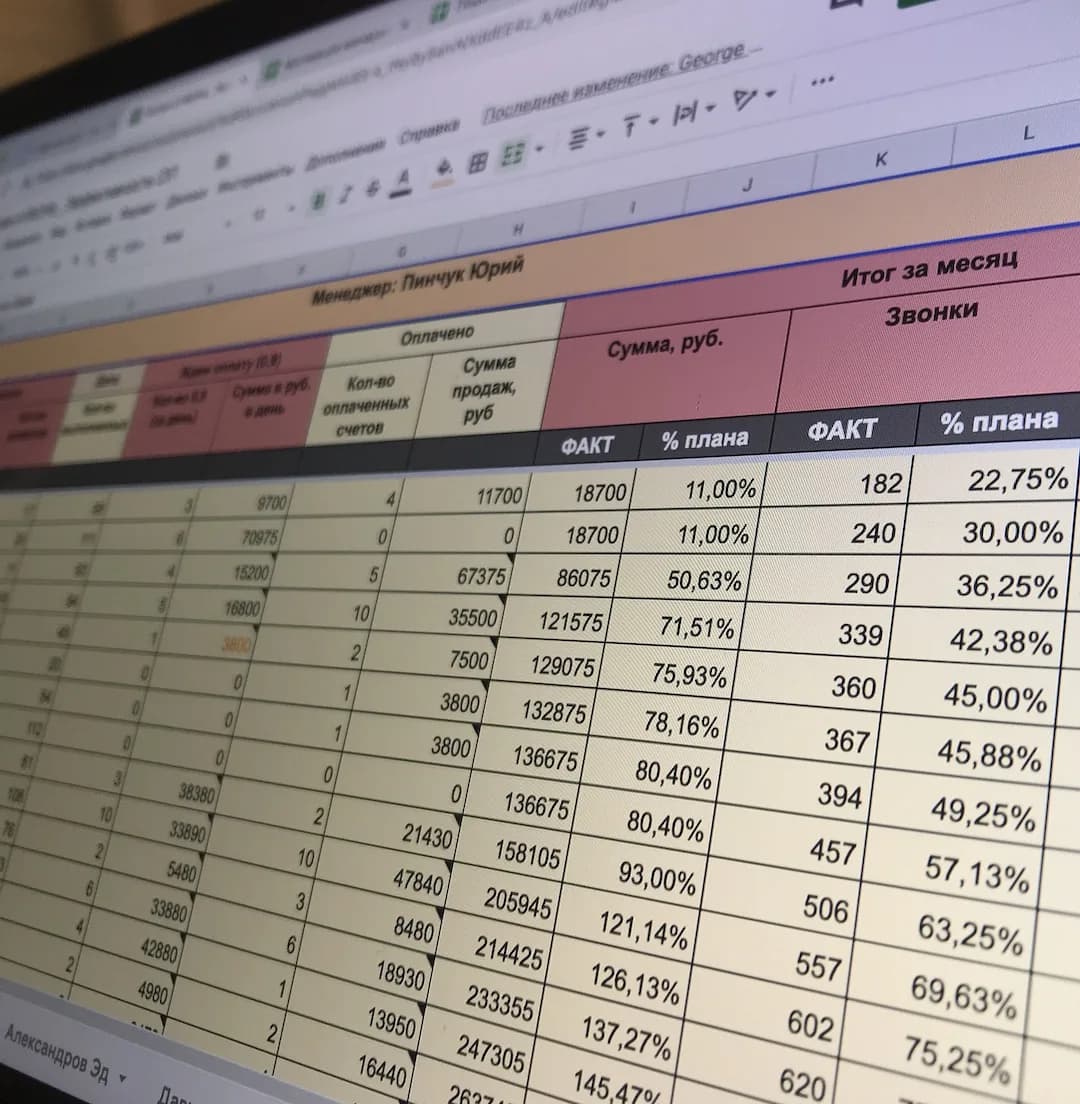
Manager's areas of responsibility: functional map on the portal
4. Automating the sales department
Automate the client management process: from the first touch to collecting a training review and repeat sales. Increase manager efficiency throughout the workday.
Bitrix24 CRM. A complete history of every company communication and process automation. Reaching out to a client without leaving a trace in the history became impossible.
Integration of all systems. We connected every system to Bitrix24: communication channels — email, telephony, messengers; leads from the automated funnel; the training sales store; and technical support.
Chatbots. We connected chatbots with AI elements to the system. Not every client needs a call — sometimes a chat message is enough. When the client replies, the system automatically brings a manager into the conversation.
Task assignment. A manager sees only one task in the CRM system, and the system won't give them the next one until it's completed. Tasks are selected automatically by a priority system. This is what keeps the system efficient.
Lead distribution. Every lead is logged in the system and assigned to a manager based on their workload and efficiency. If a manager loses a lead, the system automatically deducts its cost from them.
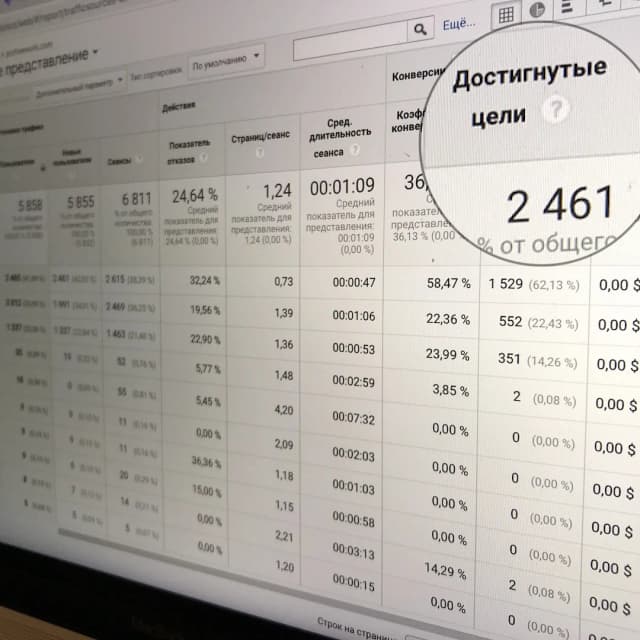
End-to-end analytics. Analytics for the entire company on a single dashboard, from an ad click to a purchase a year later. If a manager's efficiency drops, the system automatically notifies the supervisor.
Reporting. Every employee has their own KPI, calculated from their sales plan, number of calls and conversion rate — all of it calculated automatically.
Corporate portal. Job descriptions, training programs, the reporting system — everything lives on the portal with role-based access. An employee sees only what's directly relevant to them.
The inevitability principle
Every manager knows that every call will be reviewed and scored.
We built a quality control department. We brought in remote staff who had no overlap or communication with the sales managers. Their job was to review every call in the department and score it against a set of criteria. Every call affects a manager's pay through the KPI system (personal efficiency scorecards).
Full transparency
Penalties and bonuses are calculated automatically — the system runs itself. Every rule is known, and every system is open to scrutiny. Managers see the company playing fair. If you work well, you earn well.
Mentorship system
Under remote work, professional burnout becomes a problem. People work alone, at home. The head of sales holds a daily 15-minute meeting at the start of the day. Managers are split into groups of three, and each group of three has a senior manager responsible for that group's results.
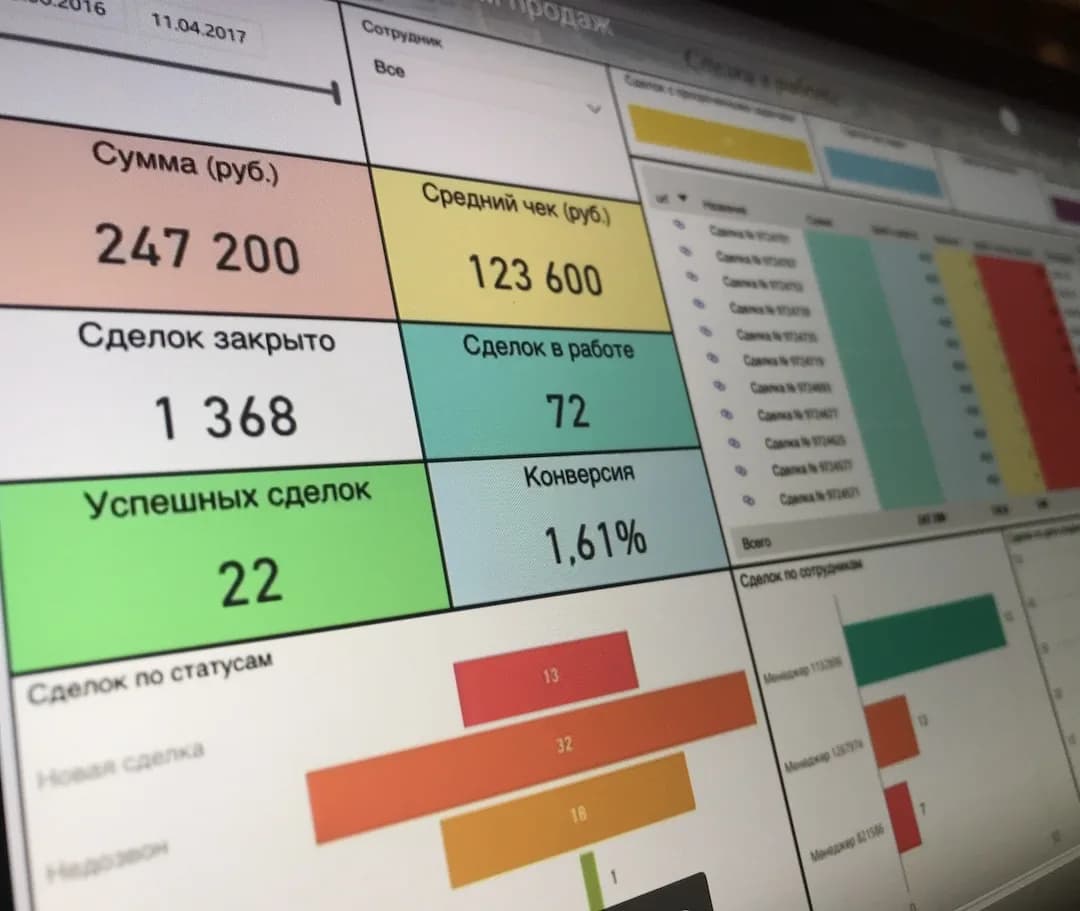
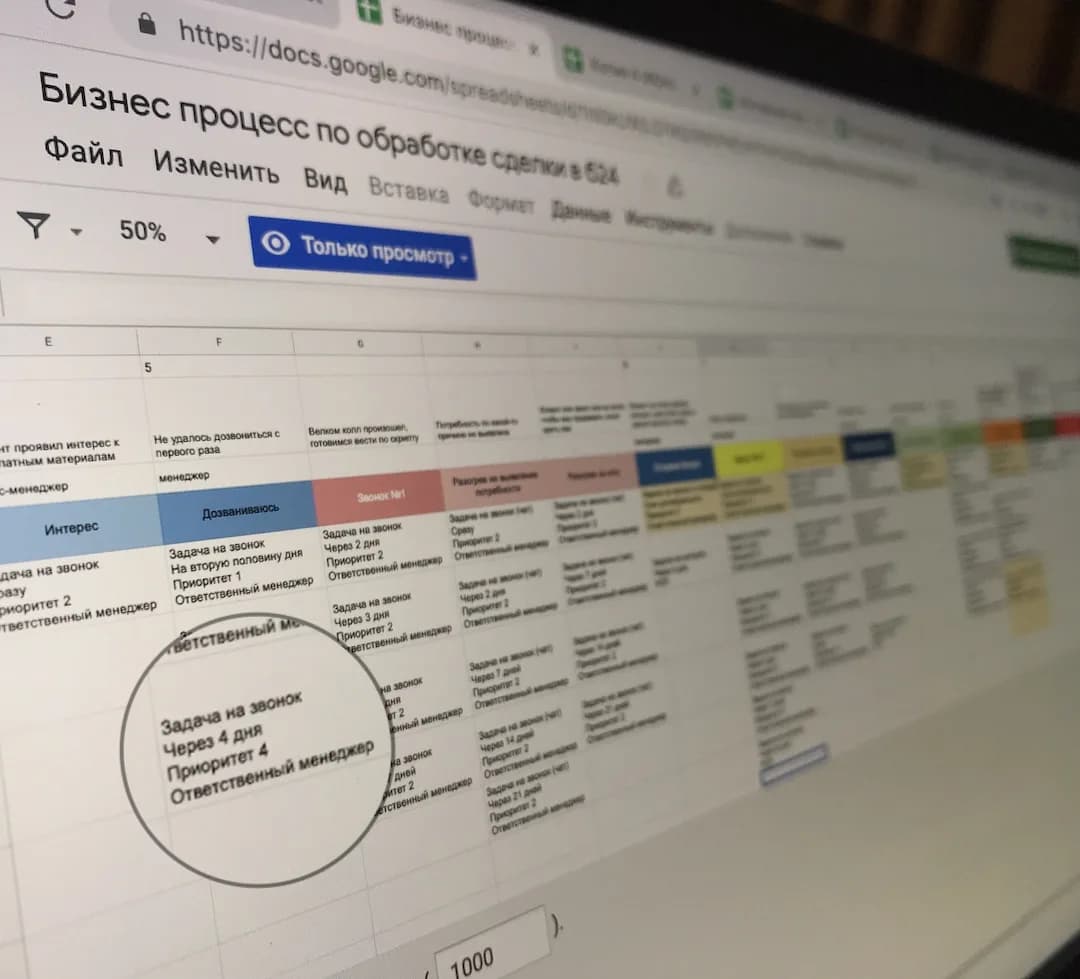
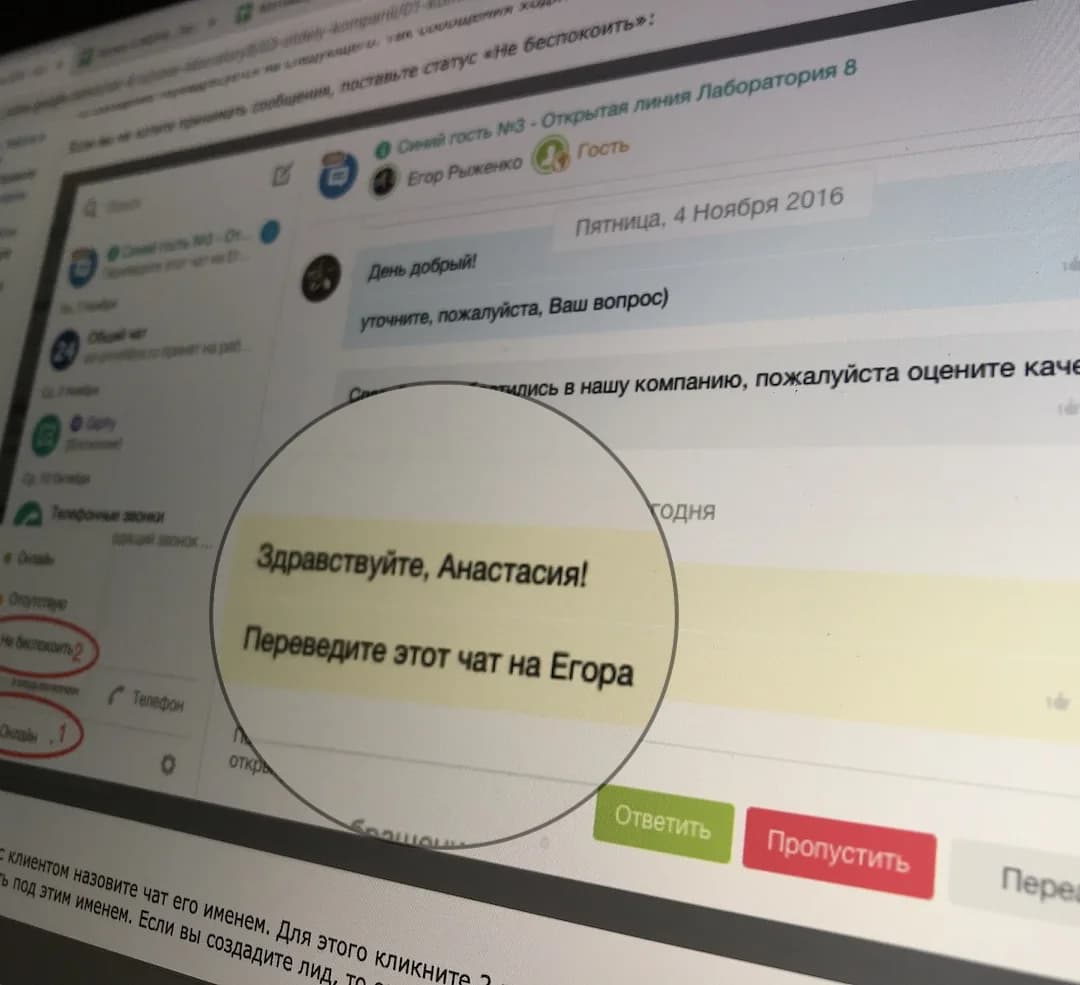
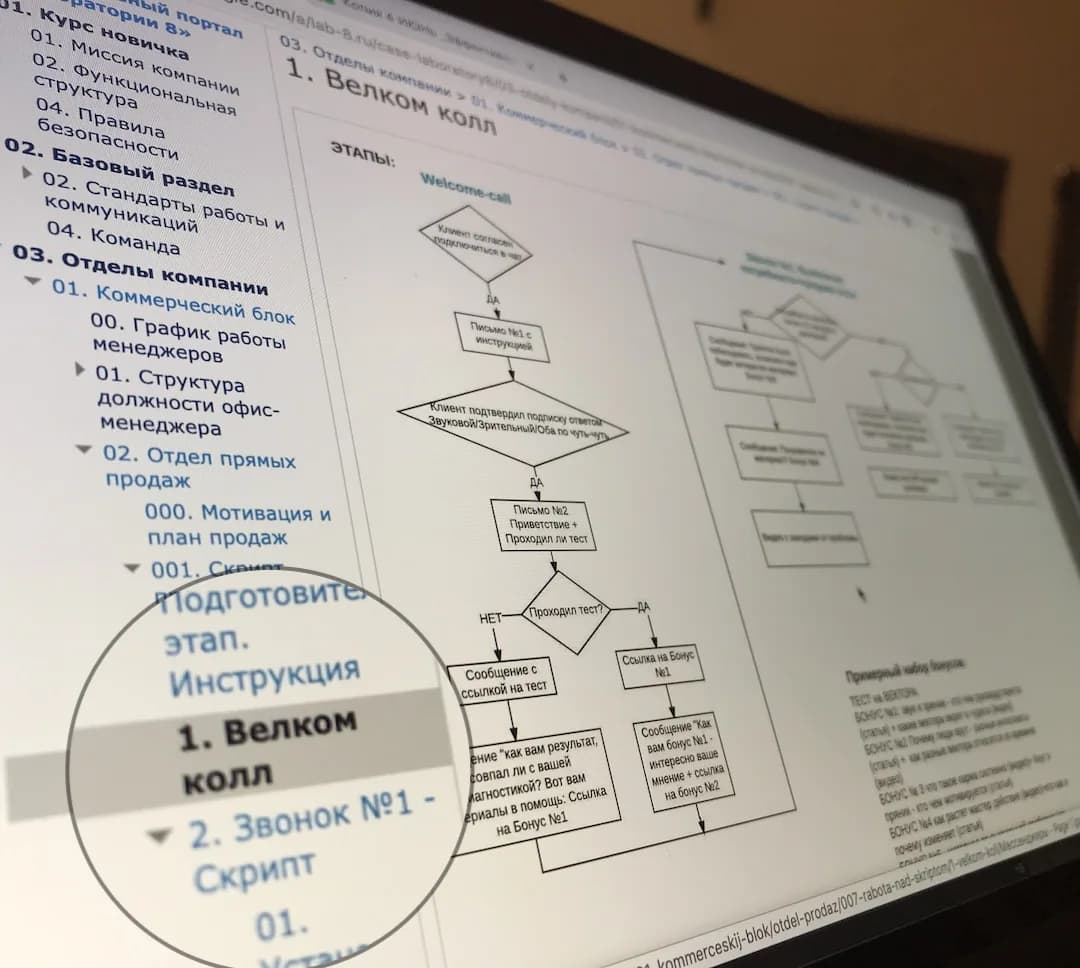
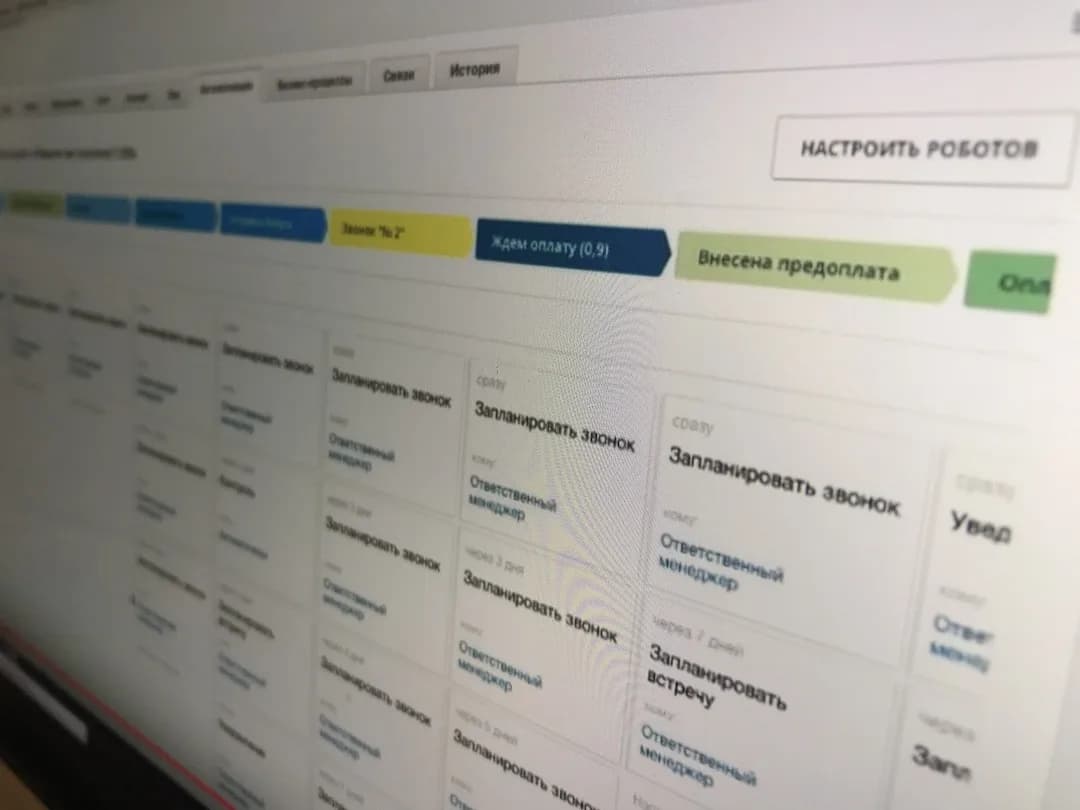
Sales dashboard: deals, average order value and conversion by manager
Final result
Full transparency and control over sales across the company. That's the result the sales department delivered during the New Year promotion — two weeks of work: ~$38,500.
After the New Year sale, the top-performing managers met up on vacation in Sochi. By the end of the year — 3x sales growth.
Lab8's sales department on vacation after closing out the year
The sales department is one part of Lab8's system: the automated funnel fed it leads, the automated mailing warmed up the database, and together they produced a launch pipeline worth $647,721. We build similar systems as part of our automation and lead generation services.
Frequently asked questions

Want to discuss your project?
Something interesting might come out of it
George Ryzhenko
CEO, Digital Experts
More case studies
Real projects with real numbers — what worked, what did not, and why.